
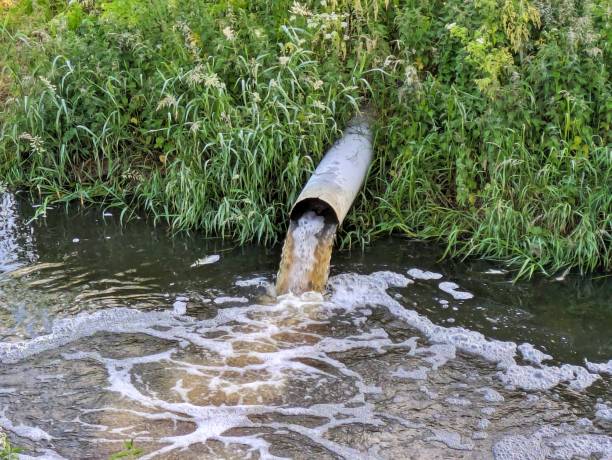
India, with its vast population and rapid urbanization, faces significant challenges in managing wastewater. Despite advancements in infrastructure, a substantial portion of the country's wastewater remains untreated, posing severe threats to the environment and public health. However, by embracing innovative technologies, energy-efficient solutions, and water reuse strategies, India can redefine wastewater treatment and create a sustainable, water-positive future.
As of March 2021, India's wastewater treatment infrastructure could process 31,841 million litres per day (MLD), but only managed to treat 20,236 MLD, leaving a staggering gap of 11,605 MLD. This untreated wastewater was subsequently released into rivers, lakes, and groundwater sources, contributing to pollution and environmental degradation.
The consequences of untreated wastewater are far-reaching. It contaminates water bodies, jeopardizes aquatic ecosystems, and poses serious health risks to communities. To address this pressing issue, India must prioritize the expansion and improvement of its wastewater treatment infrastructure and explore innovative solutions to bridge the treatment gap.

Emerging Technologies for Sustainable Wastewater Treatment
Membrane filtration
- Membrane filtration, like reverse osmosis and nanofiltration, removes contaminants from wastewater. The treated water can be reused for irrigation, industrial processes, and even drinking water in some areas, addressing water scarcity and promoting sustainable water management.
Anaerobic and Aerobic Bioreactors
- Bioreactors are crucial for sustainable wastewater treatment. Anaerobic bioreactors are energy-efficient, producing biogas as a valuable byproduct. Aerobic bioreactors use oxygen to degrade organic matter. Combining anaerobic and aerobic bioreactors can optimize treatment and reduce energy consumption while enhancing nutrient removal for water pollution prevention.
Decentralised wastewater treatment
Decentralized wastewater treatment systems offer advantages over traditional centralized systems. They reduce energy consumption, prevent pollution of water bodies, and enhance resilience to disruptions.
Energy-Efficient Solutions
One of the most significant challenges facing wastewater treatment plants is high energy consumption. However, technological advancements and innovative approaches enable facilities to reduce their carbon footprint and improve overall efficiency.
AI changes wastewater treatment with predictive maintenance, resource optimization, and energy management. AI-powered systems analyze real-time data to predict failures, reduce downtime, and optimize processes for efficient resource use and minimal energy consumption. AI identifies energy-saving opportunities and integrates renewable energy sources.
Wastewater treatment facilities can generate energy through anaerobic digestion and biogas production, reducing reliance on external energy sources. Anaerobic digestion breaks down organic matter without oxygen, producing biogas as a renewable energy source and aiding in waste management for a more sustainable process overall.
By embracing these innovative technologies and sustainable practices, India can redefine wastewater treatment and create a more sustainable future. The potential for water reuse in India is significant, with projections suggesting that by 2050, the country could have 35,178 MCM of treated wastewater available for reuse.
The wastewater crisis in India demands a comprehensive approach encompassing infrastructure improvements, innovative technologies, and sustainable practices. By investing in wastewater treatment and adopting a circular economy approach, India can turn wastewater from a liability into a valuable resource, fostering a more sustainable and equitable future for its citizens.


